
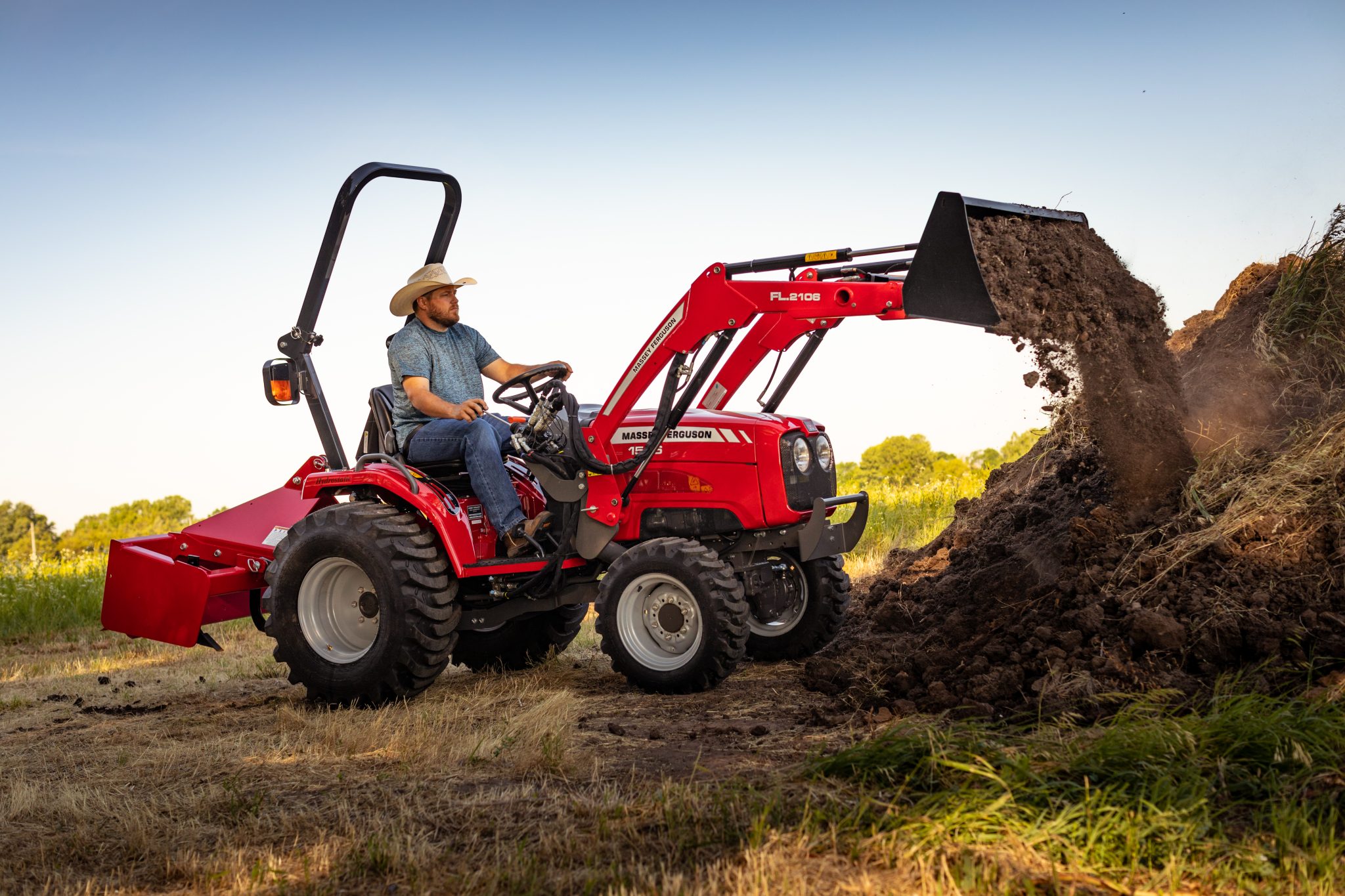
Spring is the busiest time of year for many acreage owners, and a compact tractor can save hours if it is ready to work the moment the weather breaks. A good compact tractor spring cleanup checklist helps prevent breakdowns, improves safety, and keeps you ahead of mowing, grading, hauling, and fence-line work.
Why Spring Setup Matters
Many compact tractors spend winter parked, and that downtime can create problems you do not notice until the first warm day. Flat tires, dead batteries, dirty air filters, weak hydraulics, and dull mower blades all slow you down when the to-do list is already long.
For acreage owners in Oklahoma, Texas, Kansas, Missouri, Illinois, Iowa, and Minnesota, spring conditions can swing from wet to dusty quickly, especially where gravel drives and field entrances see heavy traffic. That makes a preseason inspection especially valuable for anyone using a tractor for driveway maintenance, pasture cleanup, loading material, or light construction chores.
Compact Tractor Spring Cleanup Checklist
Work through this checklist before you start the season so your tractor is ready for real jobs, not just a test drive.
- Check engine oil, coolant, and hydraulic fluid levels against recommendations in your operator’s manual.
- Inspect the battery terminals for corrosion and make sure the battery is fully charged or tested.
- Look over tires for cracks, low pressure, and sidewall damage, including front loader tires.
- Grease all fittings on the loader, 3-point hitch, and key pivot points according to the lubrication chart.
- Clean or replace the air filter if dust, chaff, or rodent debris built up over winter.
- Inspect belts, hoses, and visible wiring for wear, rubbing, or rodent damage.
- Test lights, flashers, and safety switches, especially if you drive on public roads.
- Verify PTO engagement and make sure shields and guards are in place and secure.
- Check loader pins, bucket edges, and quick-attach latches for wear or looseness.
- Inspect mower blades, box blade cutting edges, rear blade edges, or other attachments before use.
If your tractor is due for repairs or routine maintenance, schedule work with the service department before the first big stretch of spring jobs so you are not waiting during peak season. For filters, fluids, belts, and other consumables, your nearest Parallel Ag parts department can help you match OEM or high-quality replacement parts quickly.
What to Service First
Start with the items that can stop the tractor completely. Battery condition, fluid leaks, tire pressure, and filter health affect whether the machine starts, steers, lifts, and pulls correctly, and they are the most common causes of early-season downtime.
Next, move to wear items that affect performance. On a compact tractor, that usually means:
- Mower blades and belts.
- Loader pins, bushings, and pivot points.
- Hydraulic hoses, couplers, and cylinders.
- Bucket or box blade cutting edges.
- 3-point hitch hardware and stabilizers.
For owners who use their tractor hard around a farmstead or rural property, a quick look at current new and used compact tractor options can also highlight newer features like better lighting, more hydraulic flow, and improved operator comfort that make seasonal work easier over the long run.
A Simple Spring Workflow
Use this order so you do not miss anything important once you roll the tractor out of the shed.
- Walk around the tractor and look for leaks, missing bolts, loose guards, and visible damage.
- Check all fluids and top off anything that is low using the correct spec for your model.
- Start the engine and listen for hard starting, unusual noise, or smoke.
- Test hydraulics, steering, brakes, PTO, and loader functions under light load.
- Grease all fittings, tighten loose fasteners, and clean debris from radiators and screens.
- Hook up your most-used attachment and make a short test pass in a safe area.
- Fix small issues immediately instead of waiting until the machine is buried in work.
Many problems only show up under load, such as weak hydraulics, slipping belts, or overheating from clogged coolers. Catching those issues during your test pass gives you time to get help from the service department before you are relying on the tractor every day.
Customer Scenario
Here is a hypothetical example. A landowner near Chickasha, Oklahoma uses a compact tractor for pasture cleanup, driveway grading, and hauling feed around a small acreage. Before spring, the owner checks fluids, greases the loader, replaces a cracked mower belt, installs fresh blades, and has the hydraulic oil and filters changed at the Parallel Ag service department in Chickasha.
That simple routine keeps the tractor from losing a weekend to preventable repairs and makes it far more useful once weeds, washouts, and fence-line growth start taking off. If you farm or own acreage near Chickasha, OK, the Parallel Ag team there can help you schedule service, order parts, or look at upgrades—start with the contact and locations page to find that store and others nearby.
Jobs A Compact Tractor Handles Well
A compact tractor can do more than many acreage owners expect when it is maintained correctly and paired with the right attachments. On rural properties, it is often the most useful machine for seasonal cleanup and light material handling.
Common spring jobs include:
- Mowing pastures, lanes, and ditch banks.
- Grading gravel drives and filling ruts or washouts.
- Moving mulch, rock, manure, or soil with a loader or rear blade.
- Cleaning fence lines, tree rows, and field edges.
- Loading and hauling fencing supplies, feed, and building materials.
- Prepping food plots or small garden areas with tillers or discs.
If those jobs are part of your routine, it is worth comparing compact tractor and loader options and checking used equipment inventory for a machine that fits your property size, terrain, and attachment needs.
Keep the Right Parts Nearby
The best time to buy parts is before you need them, especially if you work evenings or weekends when you cannot afford a breakdown. Keeping a small stock of high-use items prevents a minor issue from shutting down the whole weekend.
Useful items to keep on hand include:
- Engine oil, oil filters, and fuel filters.
- Primary and secondary air filters.
- Hydraulic fluid and a spare hydraulic hose or quick-coupler.
- Grease, lynch pins, top-link pins, and cotter pins.
- Mower blades or a plan for regular sharpening.
- Belts for mid-mount or rear finish mowers.
For fast help, work with the Parallel Ag parts department to build a basic parts kit tailored to your model. When jobs get bigger or problems go beyond DIY, your local service department can handle diagnostics, major repairs, and seasonal inspections to keep your tractor reliable.
Precision and Attachment
Many acreage owners lose time because an attachment does not match the tractor well, whether that is due to limited hydraulic capacity, the wrong hitch category, or mismatched quick-attach systems. The result is slower work, more strain on the tractor, and sometimes safety concerns.
If you are adding smarter controls, specialty attachments, or better field accuracy for acreage or small-farm work, explore Parallel Ag’s precision technology offerings and ask how the setup fits your tractor and use case. The right combination of tractor, loader, implement, and control package can make repeated work like mowing, grading, and hauling more efficient all season long.
FAQ
How often should I service a compact tractor?
At minimum, do a preseason inspection each spring and then follow the operator’s manual for fluid, filter, and grease intervals. Heavy spring use may justify more frequent checks on grease points, tires, and attachment wear, especially if you work in dusty or muddy conditions.
What is the most important thing to check first?
Battery condition and fluid levels are the first things to verify because they determine whether the tractor starts and runs properly. After that, inspect tires, hoses, belts, and grease points to reduce the chance of an early-season breakdown.
Can I use a compact tractor for driveaway grading?
Yes, a compact tractor is a strong choice for driveway grading when it has the right rear blade, box blade, or loader attachment. Proper ballast, appropriate tire choice, and correct attachment setup make a big difference in how well it levels and maintains a gravel surface.
When should I replace mower blades?
Replace or sharpen blades before spring mowing begins, especially if you hit rocks, limbs, or hard soil last season. Dull blades reduce cut quality, increase fuel use, and can stress belts and spindle bearings.
Where can I get help choosing the right tractor or attachments?
Parallel Ag can help you match a compact tractor and implements to acreage cleanup, mowing, hauling, and light construction work across their seven-state footprint. Start with the contact and locations page to find the nearest store and connect with a sales, parts, or service professional.parallelag+1
# # #
With sixteen locations throughout Texas, Oklahoma, Kansas, Missouri, Iowa, Illinois, and Minnesota, Parallel Ag will provide quality parts, various equipment sales, and 24/7 exceptional service across the agricultural industry. Visit us in person or online at www.ParallelAg.com for more information.
