
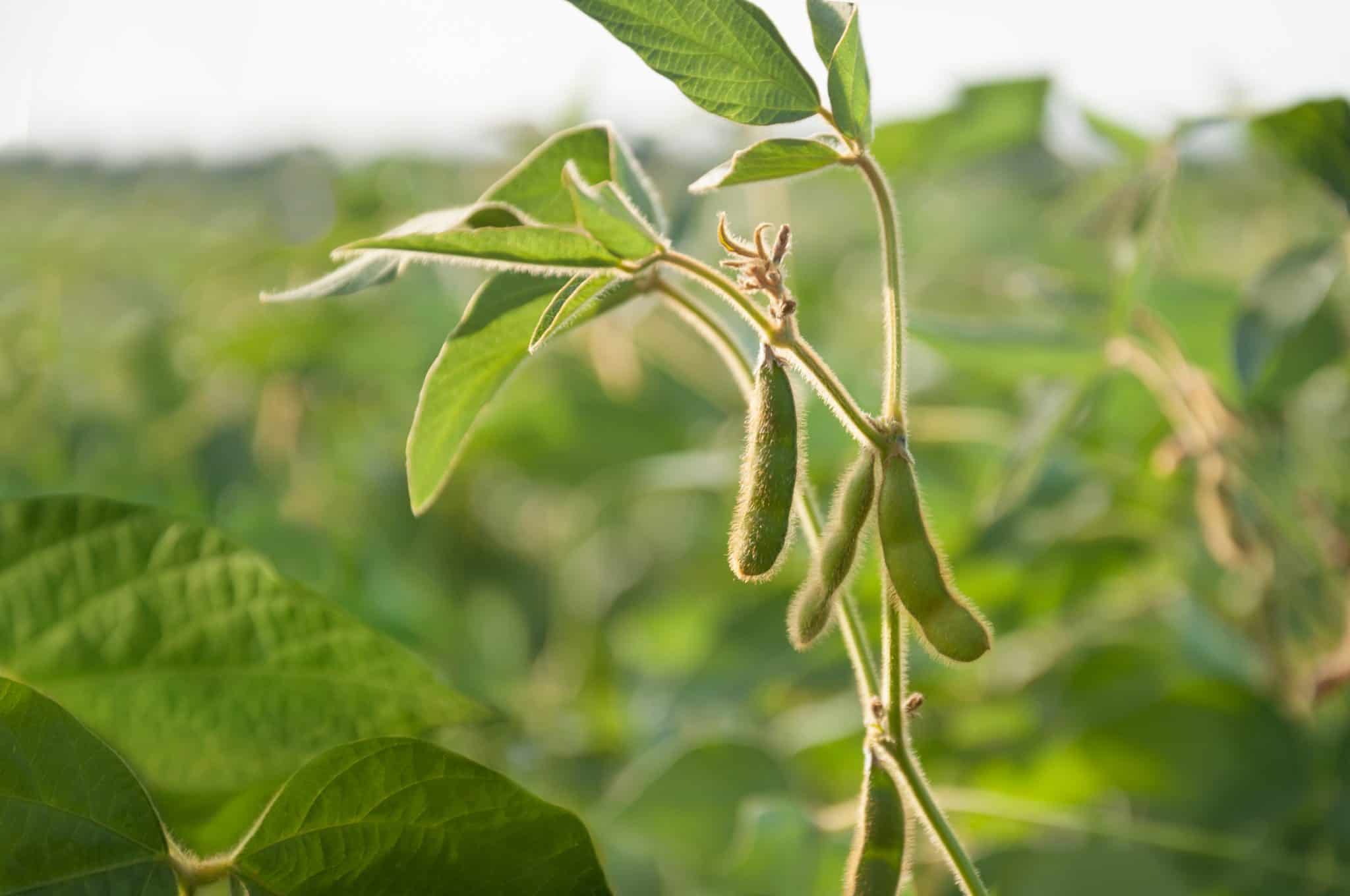
When soybean planting starts to ramp up across our seven-state region, early season scouting becomes the best way to protect yield and keep inputs working as they should. A simple, consistent soybean early season scouting checklist helps you catch stand issues, pests, weeds, and nutrition problems before they cost you bushels.
Why Early Season Spybean Scouting Matters
The first few weeks after emergence set the ceiling for your soybean yield potential. Missing a replant decision window, allowing early insect feeding, or letting small weeds get ahead of your herbicide program can quietly trim yield across every acre.
Consistent field checks help you verify planter performance, confirm that seed treatments and herbicides are doing their job, and guide timely, targeted passes with your sprayer or sidedress bar. Parallel Ag locations across Oklahoma, Texas, Kansas, Missouri, Illinois, Iowa, and Minnesota support these decisions with equipment, precision setups, and in-season parts and service: https://www.parallelag.com.parallelag
Soybean Early Season Scouting Checklist
Use this practical checklist from emergence (VE) through about the V3–V4 stage. Aim to scout weekly and after any weather event that could affect stands or crop health.
1. Verify Emergence and Stand Uniformity
- Walk a zig-zag pattern across the field, checking multiple zones (high ground, low spots, compacted headlands).
- In each area, measure 10 feet of row and count emerged plants to estimate population.
- Look for skips, doubles, and late-emerging plants that point to planter, residue, or soil issues.
- Note any crusting, ponding, or residue mats that reduced emergence so you can adjust row cleaners, closing wheels, or downforce before next year.
If you’re seeing the same stand issues across fields, it may be time to evaluate planter technology, closing wheel configurations, or downforce systems. Explore planter options and upgrades with Parallel Ag here: https://www.parallelag.com/new-equipment-showrooms.parallelag
2. Inspect Roots and Seed Zone Conditions
- Gently dig a few plants in each part of the field to examine roots and the seed trench.
- Check for sidewall smearing, shallow planting, or seeds left in dry soil.
- Look for discolored, mushy roots that can indicate early root rots or waterlogged conditions.
- Feel the soil at seed depth—too wet or too dry can explain uneven emergence and poor vigor.
These observations help you fine-tune planter settings and timing, and they also guide future tillage, residue management, and traffic decisions.
3. Watch for Early Insects and Feeding
- Check cotyledons and first true leaves for chewing, clipping, or skeletonizing.
- Pay extra attention to field edges, grassy spots, and areas with volunteer crops or heavy residue.
- If you see plants clipped off at or just above the soil line, dig lightly to look for soil-dwelling insects.
- Record where problems occur so you can target insecticide treatments or adjust seed treatment choices in future seasons.
Your sprayer setup matters for effective, timely rescue treatments. Parallel Ag can help match the right self-propelled or pull-type sprayer and nozzle packages to your fields: https://www.parallelag.com/new-equipment-showrooms.parallelag
4. Track Weed Escapes and Residual Performance
- Identify weed species present and estimate their average height and density.
- Note whether escapes are in bands, patches, or uniform—this often points to application or overlap issues.
- Watch closely for tough species like pigweeds and waterhemp early, when they’re still small enough to control efficiently.
- Use your notes to adjust tank mixes, nozzle selection, and ground speed for the next pass.
Many Parallel Ag customers pair section control and rate control with modern planters and sprayers to cut overlap and improve weed control consistency. Learn how integrated precision technology can help: https://www.parallelag.com/precision-technology.parallelag
5. Evaluate Overall Vigor and Field Variability
- Compare plant height, color, and leaf size between different areas of the field.
- Look for yellowing, stunting, or other early nutrient stress symptoms, especially on knolls or compacted areas.
- Make notes on where plants are thriving versus struggling to inform variable-rate fertility, seed populations, or future drainage work.
- Consider using yield maps and past application records alongside your scouting notes to explain patterns.
Parallel Ag’s precision technology support packages are built specifically to help you tie this field information into practical prescriptions and monitor results over time: https://www.parallelag.com/precision-technology.parallelag
Using Precision Tools to Make Scouting More Efficient
Early season can be a scramble—sprayers are rolling, planters may still be running, and labor is stretched thin. Precision tools can streamline scouting without replacing the value of walking fields.
- Use display logs and boundary maps to be sure you’re checking every major management zone.
- Leverage satellite or in-cab imagery to flag areas with cooler soils, ponding, or unusual crop color for closer ground checks.
- Capture geo-tagged photos and notes so you and your agronomist or equipment dealer can review issues together.
Parallel Ag supports a wide range of guidance, control, and data platforms and can help you get them talking to each other across mixed fleets: https://www.parallelag.com/precision-technology.parallelag
If you farm near Fulton, Illinois, the Parallel Ag team at the Fulton store can help you dial in both your soybean equipment and your precision setups—get in touch here: https://www.parallelag.com/contact-us/.parallelag+1
Don’t Forget Equipment, Parts, and Service
Scouting often exposes equipment needs just as clearly as agronomic issues. Maybe you see:
- Planter sidewall smearing where downforce or closing wheels weren’t quite right.
- Consistent skips in certain rows tied to a specific meter or row unit.
- Sprayer patterns that created streaks in weed control.
When you spot those patterns, it’s the perfect time to schedule a planter or sprayer inspection, calibrate meters and rate controllers, or consider an upgrade before next season. Parallel Ag offers full-service repair, inspection, and optimization for planters, sprayers, tractors, and combines: https://www.parallelag.com/service-department/.parallelag
You can also browse new and used equipment options across all locations on the Parallel Ag website: https://www.parallelag.com.parallelag
FAQ: Soybean Early Season Scouting
How often should I scout early season soybean?
Most operations benefit from walking each soybean field at least once per week from emergence through canopy, and after any major weather event such as heavy rain, frost, or wind.
What’s a goo soybean stand after emergence?
The right population depends on planting date and row spacing, but many growers target a final stand in the 120,000–150,000 plants per acre range and focus heavily on uniformity across the field.
Where should I focus my scouting time first?
Start with fields that were planted the earliest, under the toughest conditions, or with higher weed or insect pressure last year, as they tend to show problems first.
How do I know if a field needs replanting?
Walk several representative areas, count plants, and look at how evenly they’re spaced. Replant decisions usually weigh plant count, distribution, planting date, and expected yield versus additional cost.
Can Parallel Ag help me set up a scouting and precision plan?
Yes. Parallel Ag teams across Oklahoma, Texas, Kansas, Missouri, Illinois, Iowa, and Minnesota can help you pair the right equipment, precision packages, and service plans with an early season scouting routine that fits your operation: https://www.parallelag.com/contact-us/.parallelag
# # #
With sixteen locations throughout Texas, Oklahoma, Kansas, Missouri, Iowa, Illinois, and Minnesota, Parallel Ag will provide quality parts, various equipment sales, and 24/7 exceptional service across the agricultural industry. Visit us in person or online at www.ParallelAg.com for more information.
