
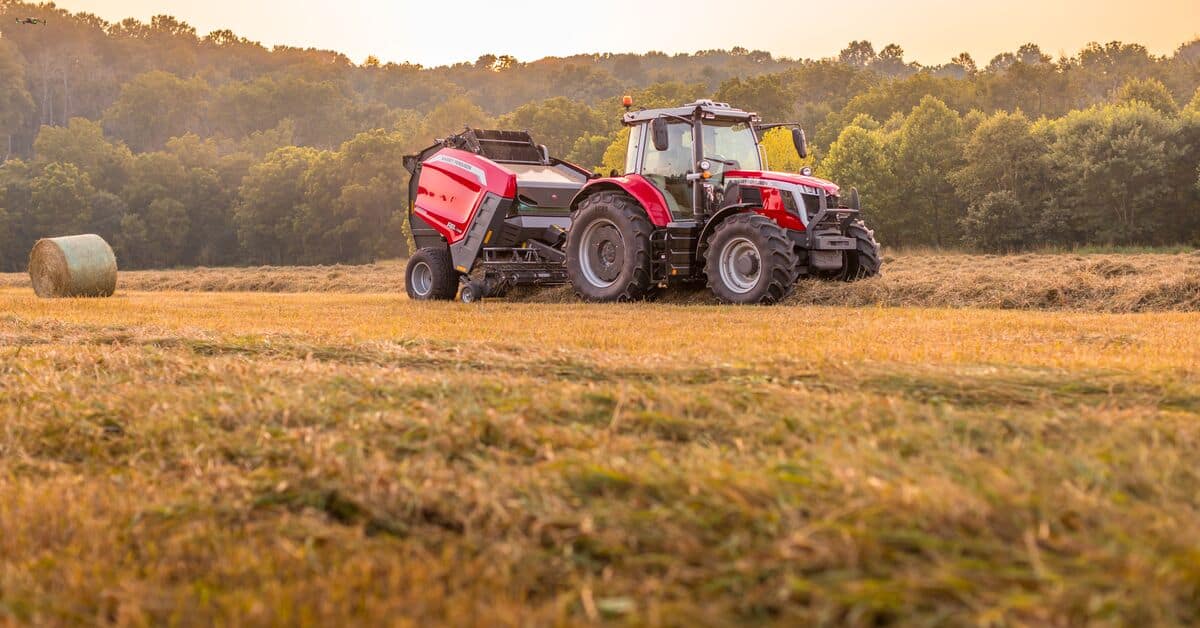
Spring brings the rush to get hay fields cut at peak quality, but equipment breakdowns can wipe out narrow weather windows fast. This spring hay equipment maintenance checklist helps hay and forage producers across our seven states—from Oklahoma to Minnesota—avoid costly repairs and fire risks while ensuring clean, efficient cuts.
Why Spring Prep Pays Off Now
Late April means scouting alfalfa and grass stands and prepping for that first cutting around mid-May in southern spots like Texas and Oklahoma. Skipping maintenance leads to ragged cuts, slow drying, uneven bales, and potential field fires from hot bearings or debris buildup. A full inspection now cuts repair costs compared to in-season fixes and keeps you running when the crop hits prime moisture.
Step-by-Step Hay Equipment Checklist
Follow this actionable checklist for your mower-conditioner, rake, tedder, and baler. Do it over a weekend with basic tools—it’s your best insurance against downtime.
- Clean thoroughly: Blow out old hay, dust, chaff, and mouse nests from all areas, especially bale chambers, pickups, and knotters. A clean machine runs cooler and safer.
- Inspect and sharpen cutting parts: Check mower knives, sickle bars, guards, and conditioner rolls for dullness or damage—sharpen or replace to avoid ragged stems that slow drying by days.
- Lubricate and check bearings: Grease all zerks, inspect rollers and chains for play or heat signs from last season. Replace any rough ones to prevent failures and fires.
- Hydraulics and belts: Test hoses for leaks or cracks, adjust belt and chain tension, and replace worn belts. Leaks waste power and can lead to contamination and breakdowns.
- Pickup, tines, and wheels: Straighten or replace bent tines on rakes and balers; set pickup height just above ground; check tire pressure and wheel bearings.
- Knotters, twine, and net: Clean and time knotters on square balers; thread fresh twine or net wrap; test for smooth operation before you hit the field.
- Safety and transport: Verify shields and guards, hitch pins, safety chains, and lights. Carry a fire extinguisher on the tractor during baling.
For compact setups on smaller acreage, these steps work great with skid steers or compact tractors pulling mini balers—explore our hay and forage equipment options here: https://www.parallelag.com/new-equipment-showrooms/ to find mowers, rakes, and balers that match your tractor and acres.
Customer Scenario: Chickasha Hay Operation
Take a hypothetical beef operation near Chickasha, Oklahoma, running 500 acres of alfalfa and grass hay. One spring, they skipped deep-cleaning their baler, and a bearing they “meant to get to” finally seized mid–first cutting—costing them two days of perfect drying weather and leaving a chunk of the crop rained on.
The following year, they followed a written checklist like the one above. They blew out the baler, replaced suspect bearings, checked belts and chains, and reset the mower-conditioner to cut clean and condition evenly. When the first good hay window opened, they ran through it without a single breakdown and had their hay in the barn before the next storm rolled in.
If you farm near Chickasha, OK, our Parallel Ag team at the Chickasha store can help you with pre-season hay equipment inspections and parts—get in touch here: https://www.parallelag.com/contact-us/.
Matching Equipment to Your Fields
YouPair maintenance with the right upgrades for your region and crop. In more humid parts of Kansas and Missouri, a well-maintained mower-conditioner with good rolls can help speed drying by crimping stems without beating leaves off. In lighter grass hay or drier western areas, you may prioritize a simpler disc mower with fewer moving parts and faster ground speed.
For row crop farmers who also put up hay in Illinois, Iowa, or Minnesota, choosing mowers, rakes, and balers that can handle rougher ground and occasional stalks or residue can reduce wear. Talk with your local Parallel Ag team and browse new equipment options here: https://www.parallelag.com/new-equipment-showrooms/ to match implements to your acres and horsepower.
First-Cut Field and Stand Tips
Beyond equipment, your spring walk-through should include a close look at stand health and field conditions. Check for winterkill, heaving, thin spots, and compaction in headlands from last year’s traffic. Thin or uneven areas can help you decide whether to fertilize, overseed, or rotate fields in the future.
Make sure fertility and pH are where they need to be—hay fields pull off a lot of nutrients every year, and letting potash or pH slip will quietly drag yields down. Combining appropriate fertility with sharp, well-maintained cutting and baling equipment keeps tonnage and quality more consistent season after season.
Don’t forget storage: inspect hay sheds, bale rows, or tarp setups now, patch holes, and clean up old spoiled hay to reduce fire risk and rodent pressure before the new crop goes under roof.
If you operate near Marshall, MO, or in any of our other locations across Oklahoma, Texas, Kansas, Missouri, Illinois, Iowa, and Minnesota, the Parallel Ag team can help you line up parts and service slots ahead of your first cutting window: https://www.parallelag.com/contact-us/.
FAQ
How often should I service hay equipment?
At a minimum, perform a thorough pre-season inspection each spring and a post-season check before storage. During the season, grease daily and do a quick walkaround before each day’s work.
What causes most baler fires?
Most baler fires start with overheated bearings, belts, or chains combined with dry chaff and debris buildup. Regular cleaning, greasing, and replacing weak bearings dramatically lowers the risk.
What are signs my mower knives or sickle sections need replacing?
If you see shredded, white stems, uneven stubble height, or the mower struggles to maintain speed in light crops, you likely have dull or damaged knives or sections.
Can I use a compact tractor for hay?
Yes. Many small acreages successfully run 40–60 HP compact or utility tractors with small mowers, rakes, and balers. Just be sure the tractor meets the implement’s PTO horsepower and weight requirements. You can review compact and utility tractor options here: https://www.parallelag.com/new-equipment-showrooms/.
When should I check my hay stand in spring?
Walk fields as soon as they green up enough to see plant health and density clearly, often in March or April depending on latitude. That timing still gives you options for fertilizer, overseeding, or adjusting your cutting plans.
Don’t wait for an overheating alarm or a blown coupler to remind you what maintenance looks like. Walk through this checklist now, and contact your local Parallel Ag location for parts, service, or a full pre-season inspection. Equipment availability and specials vary by location — check parallelag.com or call your nearest store for current offerings.
# # #
With sixteen locations throughout Texas, Oklahoma, Kansas, Missouri, Iowa, Illinois, and Minnesota, Parallel Ag will provide quality parts, various equipment sales, and 24/7 exceptional service across the agricultural industry. Visit us in person or online at www.ParallelAg.com for more information.
