
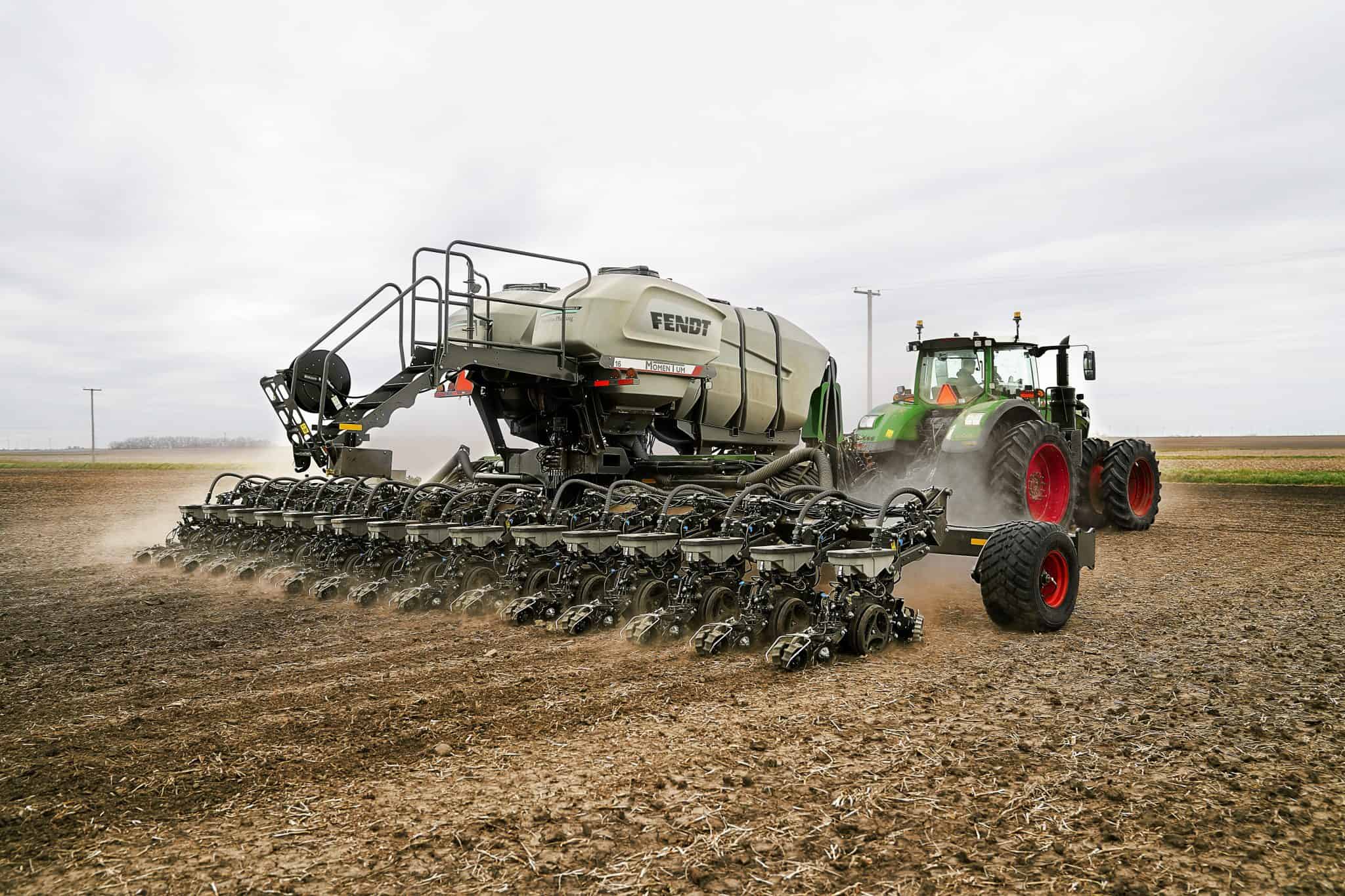
Spring planting windows are tight across our seven states, and tractor breakdowns can cost you acres. This checklist covers the critical checks to ensure your tractor pulls your planter, tillage tool, or cultivator without hiccups when soils finally warm up in April.
Why Spring Tractor Checks Matter Now?
April brings variable weather — cool nights, warming days, and sudden rains that turn fields workable overnight. A well-maintained tractor means you hit that optimal planting window for corn and soybeans, typically mid-April in southern areas like Chickasha, OK, and early May farther north in Minnesota. Skipping maintenance risks hydraulic failures mid-field or overheating during long days, turning a good start into lost yield potential. Proactive service can dramatically cut unplanned downtime and keep you running during those narrow windows that make or break a planting season.
Pre-Season Tractor Walk-Around Inspection.
Start outside before tearing into the engine. Look for leaks, cracks, or wear that could worsen under load.
- Tires and wheels: Check tire pressure against your manufacturer’s recommendations for your specific tire size, tractor weight, and load configuration — correct inflation is critical for traction, soil compaction, and fuel efficiency. Consult your tire sidewall, owner’s manual, or your Parallel Ag service team for field-specific guidance. Also inspect tread depth and sidewall condition; uneven wear can signal alignment issues that should be corrected before pulling implements.
- Belts and hoses: Inspect for cracks, frays, or bulges. Replace any showing age; heat from spring work accelerates failures.
- Frame and hitch: Ensure three-point hitch pins are secure with no cracked welds. Grease all zerks — dry joints can seize under planter tongue weight.
This 30-minute walk-around catches the majority of problems before they strand you in the field.
Engine and Cooling System Tune-Up
Engines work hardest in dusty spring fields, so prioritize cooling and oil.
- Drain and replace engine oil and filter; check hydraulic fluid levels and condition (milky fluid means water intrusion — flush it).
- Clean radiator fins and screens — use compressed air, not high-pressure water, to avoid bending. Test coolant strength (a 50/50 mix protects to -34°F).
- Inspect the air filter; replace if dirty. Tighten battery cables and clean terminals.
[Explore our tractor service options here: https://www.parallelag.com/service]
Hydraulic and PTO System Checks
Your hydraulics power planter lifts, tillage tools, and PTO-driven seeders — always test them under load before heading to the field.
Step-by-step hydraulic test:
- Cycle cylinders slowly and listen for whining, which can indicate low fluid or pump wear.
- Check remote couplers for leaks; replace O-rings as needed.
- Test PTO engagement — it should be smooth with no slippage. Adjust the clutch if needed.
- For precision planting setups, verify hydraulic flow rates match your planter’s specifications.
Annual hydraulic maintenance is especially valuable when running heavy planters — keeping fluid clean and couplers tight prevents the kind of slow degradation that shortens pump life and leads to inconsistent downforce on your rows.
Considering a new planter? Check our new equipment inventory: https://www.parallelag.com/new-equipment/planters]
Electrical and Electronics Diagnostics
Modern tractors run on GPS guidance and section control — a weak battery or outdated firmware kills accuracy before you ever reach the field.
- Test alternator output (should read 13.5–14.5V while running); load-test your battery.
- Scan for fault codes with a dealer diagnostic tool; update firmware for precision ag systems like AutoTrac.
- Check all lights, gauges, and cab displays for proper operation.
[Learn more about our precision ag support: https://www.parallelag.com/precision-ag]
Tire Pressure for Field Work
Getting field tire pressure right is one of the most overlooked steps in planting prep. Too high and you pack soil; too low and you risk sidewall damage and excessive wheel slip.
A general starting point for many row crop setups is 12–16 PSI on rear drive tires and 20–25 PSI on front steer tires for field conditions — but always defer to your tire manufacturer’s load/inflation tables based on your specific tire size and tractor weight. Sandy soils in Oklahoma and Texas often benefit from slightly lower inflation to improve footprint and reduce slippage.
Hypothetical Customer Scenario: Central Iowa Row Crop Operation
Consider a hypothetical corn and soybean producer farming around 2,000 acres near Emmetsburg, Iowa — prime corn and soybean country in the heart of the Midwest. He fires up his 300 HP row crop tractor on a warm April morning, pulls into the field, and within the first hour notices the engine temperature climbing. He had skipped the radiator inspection during the spring rush. Plugged fins from last fall’s corn dust were blocking airflow — a 20-minute compressed-air cleaning job that, had it been done in the shop, would have cost nothing. Instead, he lost half a day waiting for the engine to cool down and getting a service call out to the field.
Running through this checklist at your nearest Parallel Ag location before planting starts is exactly the kind of prep that keeps situations like that from happening. If you farm near Emmetsburg or Fort Dodge, our Parallel Ag teams are ready to help — get in touch here: https://www.parallelag.com/contact-us/

Fuel and Final Prep Items
- Fuel system: Drain water separators, inspect fuel filters, and switch to a summer blend if available in your area.
- Cab and operator station: Clean cab air filters, check AC and heat function, calibrate scales if equipped.
- Test run: Idle 30 minutes, then do a road test at field speed. Monitor coolant temp, oil pressure, and hydraulic response throughout.
[Browse used tractors available now: https://www.parallelag.com/used-equipment/tractors]
FAQ
How often should I change tractor oil before planting season?
Most row crop tractors call for an oil and filter change every 500 hours or annually — whichever comes first. Spring is the ideal time to reset the clock before heavy fieldwork begins.
What tire pressure should I run when pulling a planter?
There’s no single answer — it depends on your tire size, tractor weight, and soil type. Start with your tire manufacturer’s load/inflation chart and adjust for field conditions. As a general field starting point, many setups run 12–16 PSI rear and 20–25 PSI front, but always verify against your specific tire specs.
Can I perform hydraulic checks myself?
You can handle basic fluid level and leak checks yourself. For a full pressure test to catch pump wear early, schedule time with a Parallel Ag service technician — it’s quick and worth it before a 1,000-acre planting push.
When is the best time to schedule spring tractor service?
Right now — early April. Our service bays are busy but not yet overwhelmed. Waiting until the week fields open means competing with every other farmer in the county for a shop slot.
Does my precision guidance system need recalibration each season?
Yes. Test your RTK base station alignment annually for sub-inch accuracy on corn rows. Firmware updates can also shift calibration settings — your Parallel Ag precision ag team can check both in one visit.
Don’t wait for an overheating alarm or a blown coupler to remind you what maintenance looks like. Walk through this checklist now, and contact your local Parallel Ag location for parts, service, or a full pre-season inspection. Equipment availability and specials vary by location — check parallelag.com or call your nearest store for current offerings.
# # #
With sixteen locations throughout Texas, Oklahoma, Kansas, Missouri, Iowa, Illinois, and Minnesota, Parallel Ag will provide quality parts, various equipment sales, and 24/7 exceptional service across the agricultural industry. Visit us in person or online at www.ParallelAg.com for more information.
