
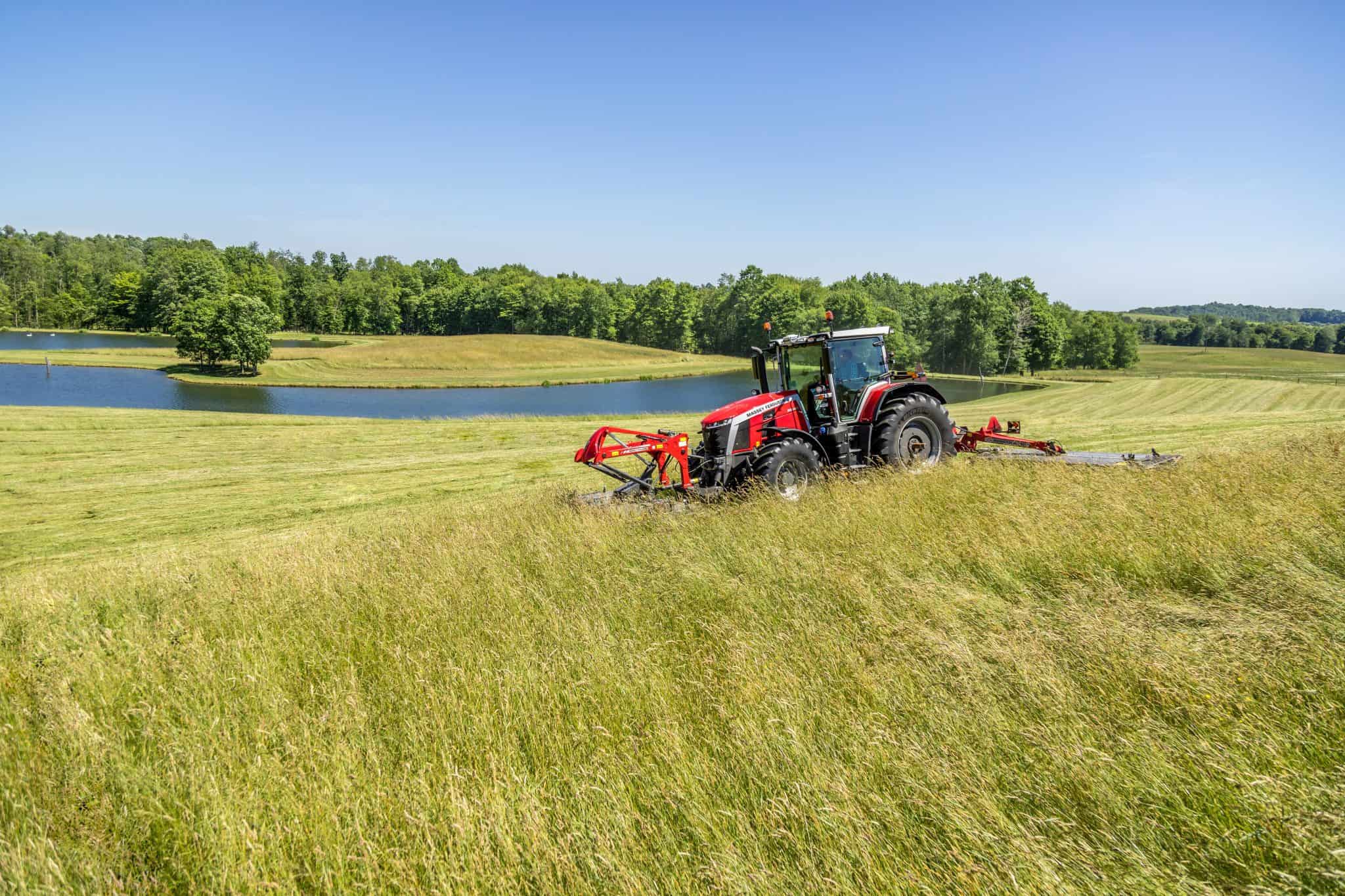
With early spring warmth in Oklahoma and Texas and thawing fields across Missouri, Illinois, Iowa, and Minnesota, hay and forage producers are turning attention to the disc mowers that will make or break first-cutting quality. A thorough spring disc mower maintenance checklist now prevents ragged cuts, belt failures, and downtime when that perfect 3–4 day drying window finally appears. At Parallel Ag, that includes Massey Ferguson disc mowers across much of the Southern Plains and Midwest, and Vermeer disc mowers in key hay markets like Emmetsburg and Fort Dodge, Iowa.agproud+5
Why Spring Disc Mower Prep Pays Off
Clean, sharp-cutting disc mowers deliver uniform stubble height at 2–4 inches, which supports faster drying, better regrowth, and higher feed value for beef and dairy operations. Skipping preseason checks risks uneven swaths, torn stems, and downtime when parts or service are already backed up—especially in narrow first-cutting windows in states like Missouri and Illinois. With hay markets still tight in many parts of OK, TX, KS, and the western Corn Belt, every bale and every cutting window matters this year.
For operators near Chickasha, OK; Lubbock, TX; or row crop and mixed hay areas in Missouri and Illinois, Parallel Ag’s service departments can handle full disc mower inspections before first cutting. If you farm near Marshall, MO or in central Illinois, our teams can help you choose the right Massey Ferguson disc mower or upgrades—get in touch here: https://www.parallelag.com/contact-us/.parallelag+2
Step-by-Step Spring Disc Mower Maintenance Checklist
Follow this spring disc mower maintenance checklist after pulling the machine out of storage but before heading to the field. Always disengage PTO, lower the machine, chock wheels, and reference your operator’s manual for torque specs and service intervals.
1. Full Clean-Out
- Blow off hay residue, dirt, and chaff from discs, shields, skid shoes, and conditioner rolls (if equipped).
- Pay attention to the cutterbar and around gear modules where packed debris can hold moisture and accelerate rust or even create fire risk once crops dry down.
2. Inspect and Replace Blades (No Sharpening)
- In the real world, almost no one sharpens disc mower blades anymore—they replace them.
- Walk each disc and look for blades that have worn to the point the tip is effectively “shortened”—the end is worn off or rounded and no longer reaches its intended cut width.
- Replace blades once they’ve worn short, not just when they look dull, and always replace them in pairs on each disc to keep weight balanced and protect cutterbar bearings.
- Use the correct left/right blade orientation and torque hardware to the spec in your manual.
This applies whether you’re running a Massey Ferguson DM Series mower in Oklahoma bermudagrass or a Vermeer M7050 cutting alfalfa-grass mixes in Iowa.parallelag+2
3. Check Drive Belts and Tensioners
- Inspect belts for cracks, glazing, and sidewall wear.
- Set belt tension according to the operator’s manual; loose belts slip and overheat, while overtight belts stress bearings and shafts.
- Consider replacing marginal belts before first cutting—field failures cost more than a preseason swap.
4. Examine Discs, Skids, and Guards
- Spin each disc by hand and feel for roughness or play that might indicate worn bearings or gear issues.
- Inspect skid shoes and rock guards for wear; replace severely worn parts so you can maintain target cutting height and protect the cutterbar on rocky or terrace-heavy ground common in parts of Kansas and Missouri.
5. Gearboxes, Cutterbar Oil, and Bearings
- Check oil level in the main gearbox and cutterbar modules; fill with the manufacturer-recommended oil.
- Grease all zerks, including PTO U-joints, driveline tubes, top link pivots, and any conditioner roll bearings.
- After a short test run, feel around bearing areas—anything running noticeably hot or noisy should be addressed before first cutting.
6. PTO Driveline and Shields
- Inspect PTO shaft for dents and play in U-joints, then grease all fittings.
- Make sure safety shields rotate freely and that shield chains are secured to prevent spinning with the shaft.
- Verify the PTO is set for the correct speed (540 or 1000 RPM) recommended for your mower.
7. Hydraulics and Lift System
- Check hoses and fittings for weather checking, rubbing, or leaks.
- Cycle the lift, fold, and tilt functions to ensure smooth movement and no hose bulging or seeping.
- Confirm tongue angle and head float settings allow the cutterbar to follow ground contour without scalping.
8. Tires, Axle, Frame, and Lights
- Inflate tires to the manufacturer’s recommended pressure—commonly in the 28–30 PSI range on many pull-type mowers.
- Inspect tires for stubble damage and sidewall cuts.
- Check frame welds and bolts; tighten any loose hardware and confirm SMV emblem and lights work for road travel.
9. Test Run Before First Cut
- Hook to your tractor and, in a safe area, start the PTO at low RPM, then bring it up to full operating speed.
- Listen for vibration, grinding, or unusual noise, and after a few minutes, shut down and recheck for leaks, hot spots, or loose shields.
A full spring disc mower maintenance checklist like this might take half a day, but it’ll save multiple days of lost cutting time during peak weather.
Massey Ferguson Focus: IL, MO, OK, and TX
Across Illinois, Missouri, Oklahoma, and Texas, a lot of Parallel Ag customers are running Massey Ferguson disc mowers and hay tools. The DM Series professional disc mowers, for example, offer widths from around 7 to over 10 feet, heavy-duty cutterbars, and quick blade change systems that pair well with the higher speeds and tougher grass species common in bermudagrass and mixed fescue country.
- An Oklahoma cow-calf producer near Chickasha may pair a 9-foot Massey Ferguson DM Series mower with a 100 HP tractor to cover big native and improved pastures quickly.
- A Missouri or Illinois hay producer might use a slightly smaller DM mower behind a 75–90 HP tractor for orchardgrass/alfalfa mixes and waterways.
If you’re in IL, MO, OK, or TX and considering an upgrade, explore our hay and forage options here: https://www.parallelag.com/new-equipment-showrooms (select Hay & Forage), or browse current listings here: https://inventory.parallelag.com/Inventory/. For service support on Massey Ferguson hay tools, visit: https://www.parallelag.com/service-department/.
Vermeer Disc Mowers in Emmetsburg and Fort Dodge, Iowa
In Iowa, Parallel Ag is a key Vermeer hay dealer, especially around Emmetsburg and Fort Dodge. At Emmetsburg, you’ll find Vermeer 3-pt disc mowers like the M6050 and M7050, plus mower conditioners and other hay tools sized for cow-calf, backgrounding, and dairy operations. Fort Dodge supports that same Vermeer hay lineup with parts and service.
Vermeer’s M7050 disc mower, for example, offers:
- About a 9.2-foot cutting width, ideal for covering acres quickly.
- A 3-point hitch design that works well on rolling Iowa ground.
- Quick-change blades so that when tips wear short, you can swap blades in the shop or field and get back to mowing.
If you run Vermeer disc mowers near Emmetsburg or Fort Dodge and want help with a preseason inspection, contact Emmetsburg here: https://www.parallelag.com/locations/emmetsburg-ia/ or Fort Dodge here: https://www.parallelag.com/locations/fort-dodge-ia/, or use our main contact page: https://www.parallelag.com/contact-us/.
Hypothetical Customer Scenario: Two States, Two Brands
Imagine two operations:
- A cow-calf outfit near Chickasha, OK running a Massey Ferguson DM Series disc mower on native and bermuda pastures. After using the checklist, they replace shortened blades, change cutterbar oil, and fix one weak hydraulic hose. First cutting, they cover 120 acres in two days with clean, even stubble and no downtime.
- A hay and beef operation near Emmetsburg, IA running a Vermeer M6050. They walk each disc, replace any blades with the ends worn off, and check belt tension before a test run. When a narrow four-day weather window opens in May, they mow, ted, and bale without waiting on parts or fixing a broken belt mid-field.
Different states, different brands—but the same spring disc mower maintenance checklist keeps both operations in the hay when it counts.
In-Field Tips for Cleaner Swaths
- Set cut height around 3–4 inches for most grass and legume mixes to balance yield, regrowth, and ash content.
- Adjust the tongue and head so the cutterbar floats, especially on terraces and no-till fields with residue.
- Mow with the wind when possible for more uniform swaths and better drying.
- Carry a small kit: spare blades, hardware, a cordless impact, gloves, and a fire extinguisher.
Explore new hay and forage equipment here: https://www.parallelag.com/new-equipment-showrooms (Hay & Forage), and check our service specials and maintenance support here: https://www.parallelag.com/service-department/.
FAQ: Spring Disc Mower Maintenance
How often should I replace disc mower blades?
Replace blades once the cutting tip has worn short or the end is effectively gone, not just when they look dull. Many operators swap blades every few hundred acres in abrasive soils.
Do I need to replace blades in pairs?
Yes. Replace blades in pairs on each disc so weight stays balanced and you avoid excess vibration and bearing wear.
What tire pressure should I run on my disc mower?
Follow your manual, but many pull-type mowers run in the 28–30 PSI range. Proper pressure improves flotation, cut quality, and transport safety.
Can a mid-size tractor handle a 9-foot disc mower?
Often yes. Many 9-foot Massey Ferguson or Vermeer disc mowers are matched to roughly 70–90 PTO HP tractors, but always check the specific model’s requirements.
Should I change gearbox or cutterbar oil every year?
At minimum, check oil levels every spring and follow the manufacturer’s change interval. High-hour or rocky conditions may justify annual changes for added protection.
If you’re getting ready for first cutting in OK, TX, KS, MO, IL, IA, or MN and want a second set of eyes on your disc mower, reach out to your nearest Parallel Ag store. Equipment availability and specials vary by location, so check the website or call ahead: https://www.parallelag.com/contact-us/.
# # #
With sixteen locations throughout Texas, Oklahoma, Kansas, Missouri, Iowa, Illinois, and Minnesota, Parallel Ag will provide quality parts, various equipment sales, and 24/7 exceptional service across the agricultural industry. Visit us in person or online at www.ParallelAg.com for more information.
