
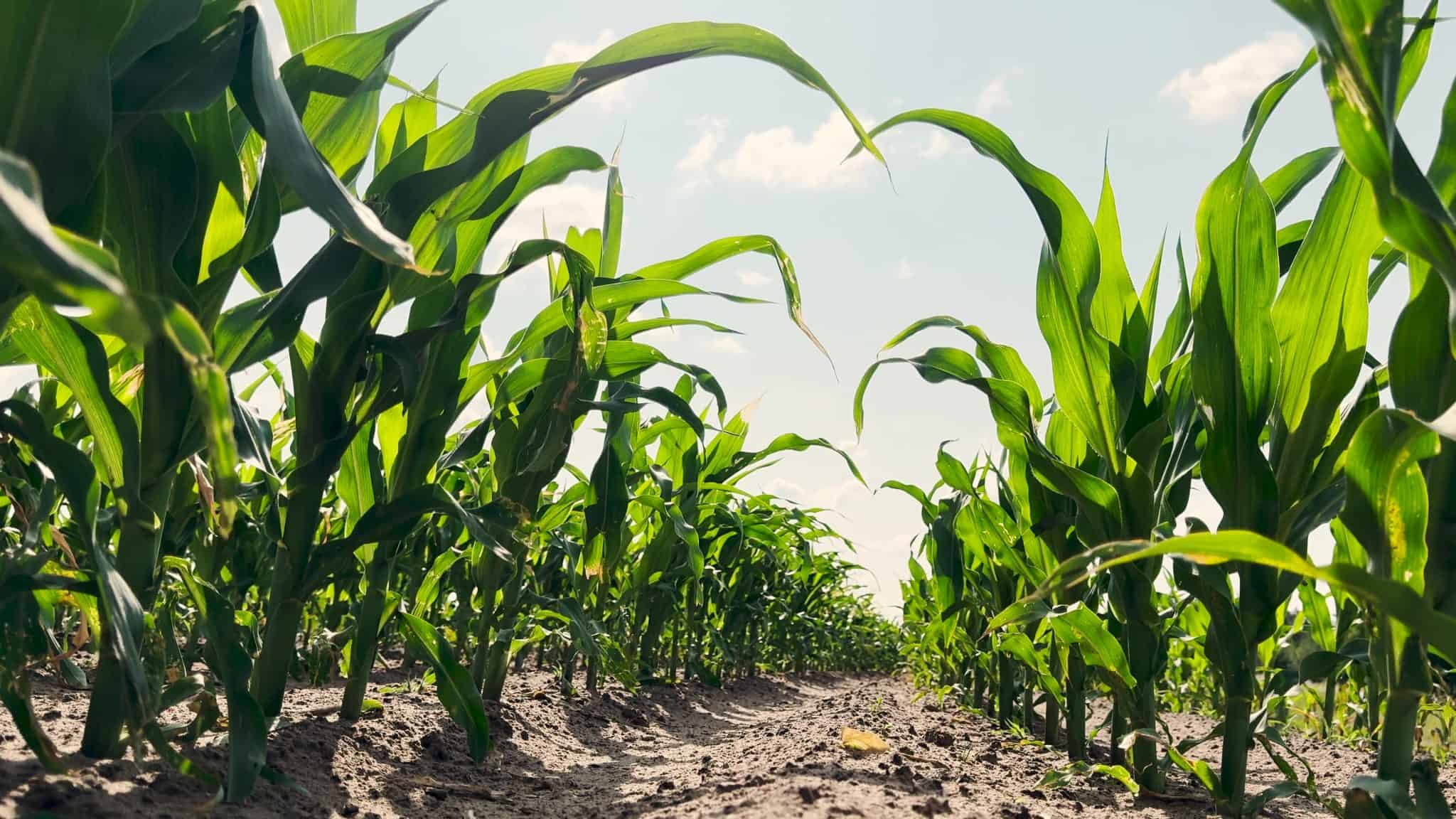
Planting season is 4–8 weeks away for most of our seven-state region, and right now is the single best window to pull your corn planter out of the shed and work through it systematically. Problems found today — a worn disk opener, a sticky seed meter, a cracked seed tube — cost an hour in the shop. The same problem found in the field during a tight two-week planting window costs you yield.
Why Planter Prep Is Your Highest-ROI Shop Task This Month
Every 1% improvement in emergence uniformity can translate to measurable yield gains, and research from Kansas State University confirms that planting speed, hydraulic downforce, and closing wheel design all interact directly with emergence consistency and final stand counts. Worn or misadjusted row units cause skips, doubles, and uneven depth that no hybrid can overcome once the seed is in the ground. With corn prices under continued margin pressure heading into 2026, maximizing stand establishment is one of the cheapest yield investments you can make.
Full Corn Planter Maintenance Checklist
Work through this checklist row-by-row before the planter leaves the shed. Budget a half-day minimum for a 12-row unit, a full day for 24-row or larger.
Step 1: Start With a Thorough Cleaning
- Blow out seed hoppers, seed tubes, and meter housings with compressed air to remove dust, graphite buildup, and old seed debris.
- Pressure-wash the frame, row unit arms, and toolbar — visible corrosion tells you what needs grease and paint before the season.
- Inspect transport tires and planter tires for proper pressure and sidewall condition.
- Confirm drawbar and toolbar are level front-to-back and side-to-side — an unlevel planter causes inconsistent closing action at every row unit.
Step 2: Inspect Row Unit Components
These parts take the most abuse and cause the most in-season problems:
- Disk openers: Measure diameter — replace if worn below manufacturer minimum (typically 14.75–15 inches); check for wobble or bearing play.
- Gauge wheels: Adjust so they contact the disk openers with slight hand pressure but still rotate freely; worn gauge wheel arms cause erratic depth.
- Parallel linkage arms: Lift each row unit by hand and check for side-to-side play in pins and bushings — excess play creates front-to-rear pitching that throws depth off under real field conditions.
- Closing wheels: Confirm bottoms are 1.5–2 inches apart; check for cracks, flat spots, and spring integrity; wobbly closing wheel bearings = open seed furrows.
- Row cleaners: Inspect for wear and set aggressive enough to clear residue but not scalp soil; hair-pinning from inadequate row cleaners is a top no-till planting complaint.
Step 3: Service Seed Meters and Delivery Systems
- Remove all meters, disassemble, and clean individually — brush out seeds, graphite, and debris.
- Inspect meter brushes, finger pickups, or vacuum discs for cracks and wear; replace any with visible damage.
- Check seed tubes for wear grooves (replace if worn more than 1/16″) and confirm monitor sensors seat fully in each tube.
- Calibrate seed drop rate against transmission or electric drive settings for your 2026 hybrid seed size — seed sizes vary enough between lots that last year’s settings may not transfer.
- If running electric drive systems such as Precision Planting’s eSet or AGCO electric drive configurations, update firmware and run the system’s built-in simulation test before leaving the shop.
Step 4: Check Seed Firmers and Downforce
- Inspect seed firmers (SmartFirmer or standard) for wear and proper spring tension — a firmer riding 1/2″ above the furrow bottom does nothing.
- Test hydraulic or mechanical downforce across all row units — inconsistent downforce across a 24-row bar is a top cause of variable emergence depth.
- For hydraulic downforce systems, check fluid levels and confirm actuators respond evenly across the bar.
Step 5: Lubrication, Chains, and Hardware
- Grease all zerks on row unit parallel arms, gauge wheel arms, and toolbar lift points — do this before and after every 8–10 hours of planting.
- Inspect all drive chains and sprockets for wear, proper tension, and lubrication; a stretched chain changes your seed spacing.
- Torque all toolbar clamp bolts and row unit mounting hardware — vibration loosens hardware over winter storage.
Step 6: Technology and Precision Ag Systems
- Update PTx Trimble, Precision Planting 20|20, or ISOBUS display software before the season — mid-planting firmware updates cause unexpected downtime.
- Confirm GPS receiver subscriptions are active and RTK correction signal is live in your area.
- Test section control and variable rate prescriptions using a test drive in the shed before heading to the field.
One Producer’s Experience: Central Illinois Row Crop Operation
Hypothetical scenario for illustration: Consider a corn and soybean farmer running 1,800 acres near Taylorville, Illinois, who pulls his 16-row planter out in late February. During row unit inspection, he finds four parallel linkage arm bushings with significant play — enough that when he lifts each unit, it rocks laterally nearly a quarter-inch. He replaces the bushings for about $80 in parts and two hours of labor at a Parallel Ag service bay. At planting, his stand counts run consistently 95%+ across emergence checks versus the 87–89% he logged the prior year with the same hybrid and same population. That 6–8% improvement in stand uniformity across 900 corn acres has the potential to add several bushels per acre — a return that dwarfs the cost of a few bushings found during a pre-season check.
(This is a hypothetical scenario used to illustrate the real-world value of row unit inspection, not a verified customer story.)
Planter Upgrades Worth Considering This Season
If your planter is mechanically sound but aging, March is the right time to evaluate whether a row unit upgrade kit or a precision add-on delivers a better ROI than another season of patch repairs. Precision Planting’s eSet electric drive, 20|20 monitor, and SmartFirmer seed firmer are brand-agnostic upgrades that bolt onto most existing planter frames and give you singulation data, downforce feedback, and soil condition monitoring in real time. The Fendt Momentum Planter has shown 3.9–9 bushel-per-acre yield advantages in university trials, with its pinch-row elimination design delivering more uniform spacing across the entire toolbar width.
Explore new planter options and upgrades here: New Equipment Showrooms.
For row crop producers near Marshall, Missouri, our Parallel Ag team there can walk you through row unit rebuild kits, Precision Planting add-ons, and planter service scheduling before the April planting crunch hits — get in touch here: Contact Us.
Parts for wear items — disk openers, gauge wheels, closing wheels, seed tubes, and meter components — are stocked at all 16 locations: Parallel Ag Parts.
If you’re evaluating precision ag upgrades like hydraulic downforce, electric drives, or in-furrow sensors, learn more here: Parallel Ag | Precision .
Wrapping Up: Don’t Let the Planter Beat You to the Field
Your planting window is the most yield-critical two weeks of the year. A corn planter that leaves the shed properly prepped — clean meters, zero worn disk openers, tight linkage arms, calibrated downforce — gives your hybrids the uniform stand they need to compete. Work through this checklist now, order any parts while supply is available, and schedule your service appointment at your nearest Parallel Ag location. Equipment availability and specials vary by store, so check Parallel Ag or call your local team for current inventory and pricing.
FAQ
How often should I service my corn planter row units?
Do a full inspection pre-season, then check disk opener wear, grease, and chain tension every 8–10 hours of planting during the season. Meter brushes and seed tubes should be checked daily in sandy or abrasive soils.
What worn parts cause the most yield loss on a corn planter?
Worn parallel linkage arm bushings, undersize disk openers, and faulty seed meters are the top three — they cause erratic depth, sidewall smearing, and skips or doubles respectively, all of which hurt final stand.
What is the correct corn planting depth for Oklahoma and Kansas fields?
Target 1.75–2.5 inches depending on soil moisture and temperature; in dry southern plains soils, planting at 2–2.5 inches puts seed in better moisture contact. Soil temps should be at or trending above 50°F at planting depth.
Can Parallel Ag service and rebuild my planter row units before spring?
Yes — Parallel Ag’s service teams at all 16 locations can handle row unit rebuilds, Precision Planting upgrades, and pre-season planter inspections. Schedule early as April slots fill fast: Contact Us.
Is it worth upgrading to electric-drive meters on my existing planter frame?
If your current planter is structurally sound, Precision Planting’s eSet electric drive and singulation upgrades can improve accuracy and enable higher-speed planting without buying a new planter — often a strong ROI on 500+ corn acres.
